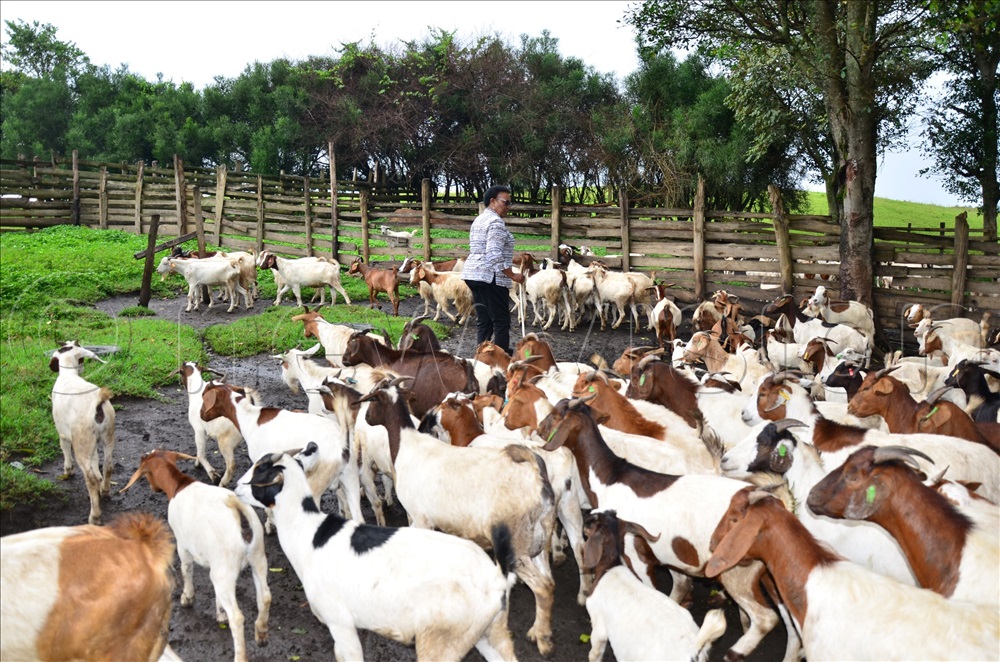
For farmers keeping goats for business, mixing male and female goats in the same kraal might seem harmless, but it can lead to poor productivity and unnecessary challenges.
Experts and experienced farmers say separating them is key to proper breeding management, better health, and increased profits.
Tereza Nsabimaana, a goat farmer with over 100 goats in Kabarole district, says separating bucks (male goats) from does (female goats) helps her gain control over breeding.
“Before, I had kids being born throughout the year, and some mothers would get pregnant again before fully recovering. Now, I allow mating only when the females are ready, and I can plan my kidding seasons better,” she says.
Nsabimaana explains that this separation has improved the health of both her female goats and their young ones.
“It gives the does time to rest and recover after giving birth. I have also reduced inbreeding, which was becoming a problem,” she adds.
Joseph Mivule, a veterinarian, says that uncontrolled mating can lead to poor genetics and disease spread.
“When bucks are always with the herd, you can’t control who mates with who. Some bucks might be carrying infections like brucellosis or cause inbreeding, which affects the quality of kids born,” he warns.
Phoebe Kagambe, who runs the successful Kamaata Farm Enterprise in Kyenjojo with 200 goats emphasises that controlled breeding has boosted her farm’s reputation.
“Buyers want strong, healthy goats. By separating and carefully selecting breeding times and partners, I have improved the quality of my animals and increased demand,” she says.