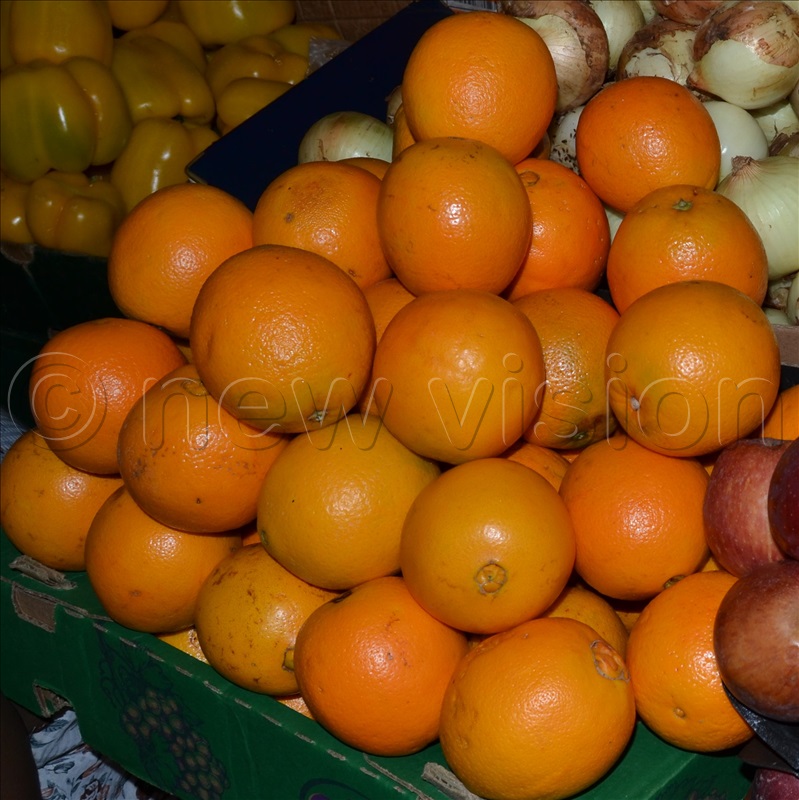
When Joseph Odong, a resident of Adyanglit village in Muntu sub-county, Amolatar district, planted tangerines, many in his community thought it was impossible.
Known for its dry climate, Amolatar was never considered suitable for citrus farming. But Odong’s curiosity and determination changed that narrative.
“I saw a tourist enjoying a tangerine, and I asked for the seeds,” Odong recalls.
“I planted them, irrigated the young plant, and watched it grow.”
Today, he proudly owns a healthy tangerine tree, and he plans to expand his orchard. His success has sparked interest from other farmers in the area.
According to Gideon Zakke, an agronomist, tangerines require well-drained loamy soils rich in organic matter.
“They thrive in warm temperatures between 25°C to 30°C. However, they need a reliable water source, especially in dry regions, to ensure flowering and fruiting”, he says.
Zakke advises farmers to use certified seedlings for better yield.
“Tangerines can be propagated from seeds, but for faster fruiting and disease resistance, grafted seedlings are the best option,” he adds.
The young trees should be spaced at least 4 to 5 metres apart, and regular pruning is necessary to maintain shape and remove diseased branches. During the flowering stage, mulching and proper watering are crucial.
“You must also watch out for citrus pests like aphids and citrus canker. Use recommended pesticides and organic sprays,” Zakke notes.
He now wants to teach others how to grow tangerines and possibly turn his venture into a local agritourism site.
“If I can do it in Amolatar, others can too,” he says with pride.