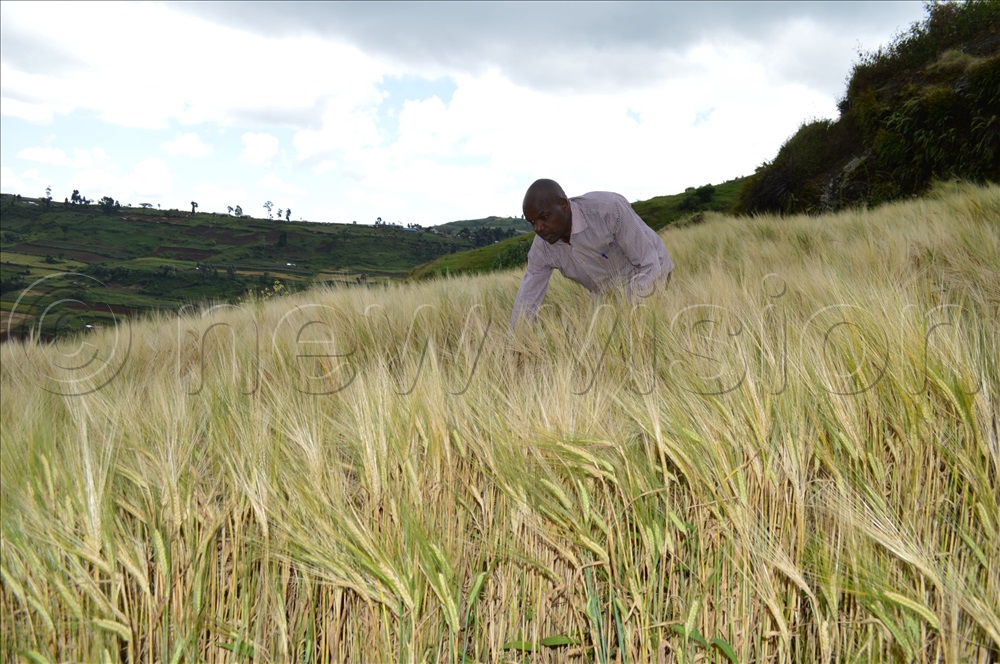
Barley is a valuable crop in Uganda, especially in the highland regions of Kween and Kapchorwa, where the climate favours its growth.
However, pests such as aphids, cutworms, and armyworms pose a serious threat to barley gardens, reducing yields and affecting grain quality.
Experts and experienced farmers stress the importance of early detection, proper field management, and sustainable control methods to protect the crop.
Moses Kiptala, a barley farmer from Mengya village in Kween district, says he lost almost half of his harvest one season due to armyworms.
“I learned the hard way. Now, I inspect my garden regularly, and once I notice any pest activity, I act immediately,” he says.
He uses a combination of natural pesticides like neem extract and timely weeding to keep the pests away.
Steven Chemonges, another barley farmer from Tutungon Cell in Kapchorwa, has adopted crop rotation and intercropping techniques.
“I rotate barley with beans or peas, which helps break the pest lifecycle. I also avoid planting barley in the same area season after season,” he explains.
The major diseases include rusts (brown, yellow, and stem rust), powdery mildew, net blotch (both net form and spot form), scald, and Rhynchosporium.
Gideon Zakke, an agronomist, advises farmers to start with good agronomic practices.
“Always use certified seed and plant at the recommended spacing. Overcrowded crops encourage pest buildup,” he says.
He also recommends integrated pest management (IPM), which combines cultural, biological, and chemical methods for long-term control.
Zakke adds that removing crop residues after harvest and practising timely planting helps prevent pest carryover between seasons.
With the right approach, barley farmers can minimise pest damage and achieve better yields. Regular monitoring, using organic or approved chemical pesticides, and maintaining field hygiene are crucial steps toward protecting your investment and ensuring food and income security.