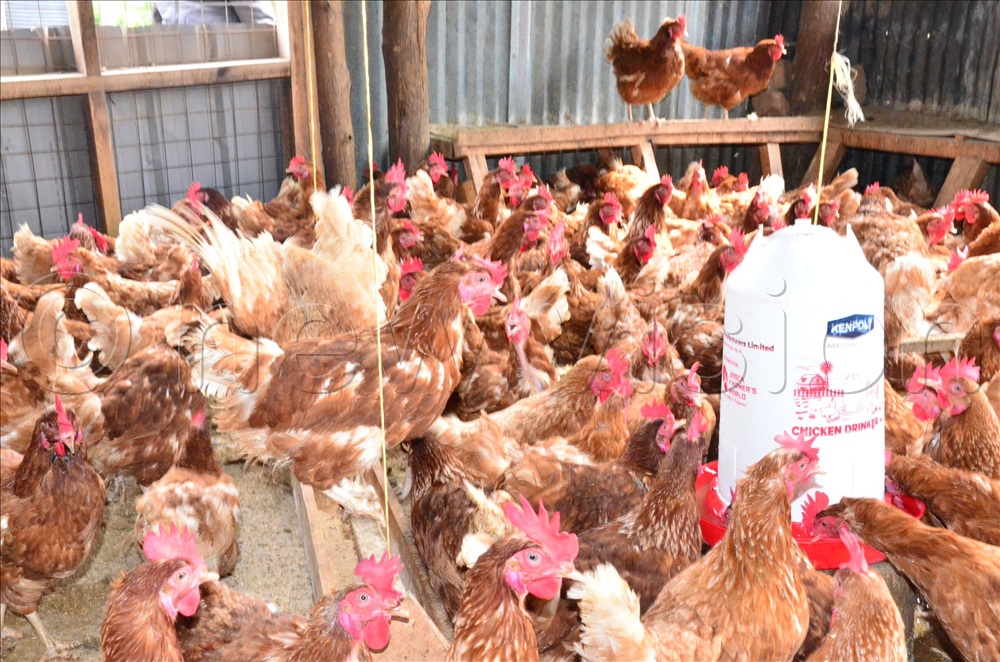
Commercial poultry farmers agree that one of the best ways to maximise profits from layers is knowing the right time to phase them out.
Samuel Israel Kayonde, who rears over 20,000 layers, says that after 16 months of active laying, production starts to drop significantly.
“At peak production, a bird can give you over 80% egg production, but after 16 months, the rate can fall below 60%, which affects profitability,” he explains.
Allan Kazibwe, a veterinary expert, says most farmers keep birds longer than necessary, hoping to maintain production. However, feeding costs remain constant while egg output declines, reducing returns.
“If you calculate the cost of feed versus the eggs you get, you will see it is more economical to sell the birds and restock,” Kazibwe advises.
Richard Nyakaana of Kana Farm, which has over 10,000 birds, follows a strict 16-month cycle.
“We sell off old layers as ‘spent hens,’ which fetch good prices on the market. The money helps us buy new chicks, and the cycle continues without loss,” he says.
According to experts, the decision should be based on proper records of feed intake, egg production rates, and market prices. Farmers should also plan the transition carefully to avoid long periods without production.
In the long run, timely layering off keeps production high, reduces unnecessary feeding costs, and ensures a steady cash flow.
As Kayonde notes, “In poultry, efficiency and timing determine your profits. Sixteen months is the magic number.”