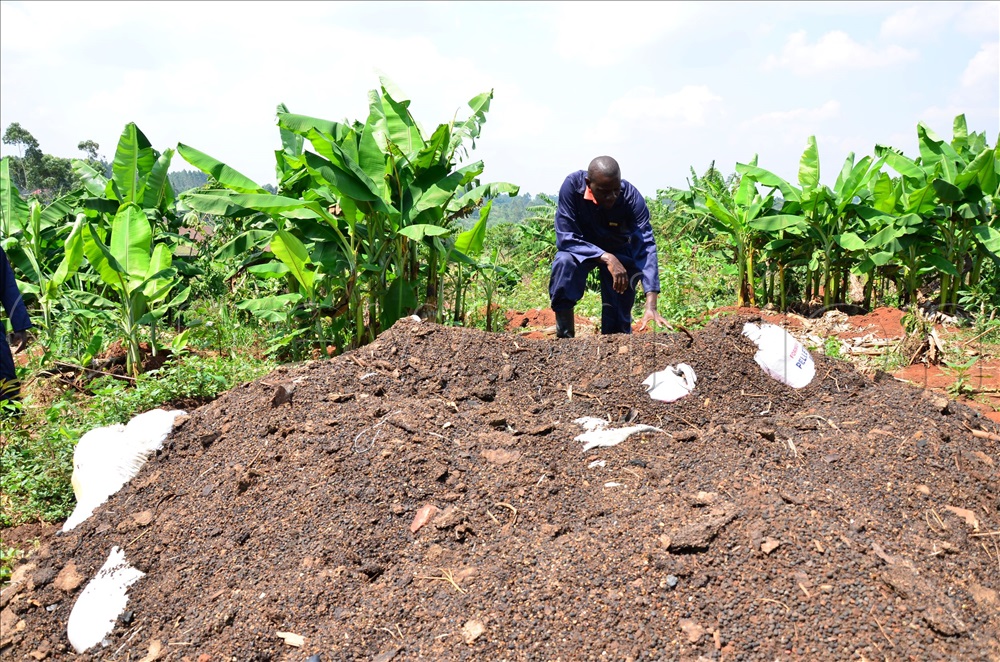
For many farmers, fertilisers are the difference between a bumper harvest and a season of frustration.
Yet, using the wrong type, or applying them poorly, can be as damaging as not fertilising at all. Knowing the right fertilisers for specific crops, soil types, and timing is therefore essential for improving yields and ensuring long-term soil health.
Kenneth Kabagambe, a maize and bean farmer from Nyabugorogoro village in Kyenjojo district, says fertilisers have changed his fortunes.
“I use a combination of organic manure and inorganic fertilisers like DAP and urea. When applied correctly, my beans flower uniformly, and my maize produces fuller cobs,” he explains.
Henry Sekyewa, an agronomist, notes that every fertiliser carries a specific nutrient balance.
“Nitrogen-based fertilisers such as urea are best for leafy crops, while phosphates like DAP support strong root and stem development.
Farmers must first test their soils before applying fertilisers, otherwise they risk overusing or applying the wrong type,” he advises.
But some farmers have learned the hard way.
Joseph Ayo, a vegetable grower from Zirobwe, recalls a painful experience: “I once bought a fertiliser thinking it would boost my cabbages, but instead the leaves turned yellow and yields dropped. I later discovered I had applied the wrong formulation. Since then, I always consult extension workers before buying.”
Even traders are aware of the demand for the right products. At Kalerwe market, vendor Jane Kalemba says farmers often ask for fertilisers that boost tomatoes, onions, and leafy greens.
“The informed ones buy exactly what their crops need, and they come back satisfied,” she explains.
With the right advice, farmers can maximise productivity, reduce losses, and grow healthier crops season after season.