An outbreak of goat plague, scientifically known as peste des petits ruminants (PPR), has been confirmed in parts of Hoima district, with Buseruka sub-county being the worst affected.
PPR is a highly contagious viral disease that primarily affects goats and sheep. It is characterised by fever, coughing, foul-smelling diarrhoea and discharges from the eyes and nose, which can crust over and cause difficulty in breathing and even blindness.
According to veterinary experts, animals showing signs of the disease often die quickly due to an inability to feed.
Dr Patrick Ndorwa, the Hoima district veterinary officer, said his office began receiving reports of sudden deaths among goats and sheep last month.
“In June, this year, during our routine vaccination exercises, we observed animals with symptoms like fever, breathing difficulties, and sneezing. Laboratory tests later confirmed the presence of PPR,” Ndorwa said.
He added that the district has since intensified vaccination efforts targeting goats and sheep to contain the spread of the disease.
Fred Tumwine, a resident of Kasenyi-Lyato village in Nyakabingo parish, Buseruka sub-county, reported losing 15 goats within a short period.
Samples from affected animals were sent to the National Animal Diagnostic and Epidemiology Centre (NADDEC) in Kampala, which confirmed the presence of PPR.
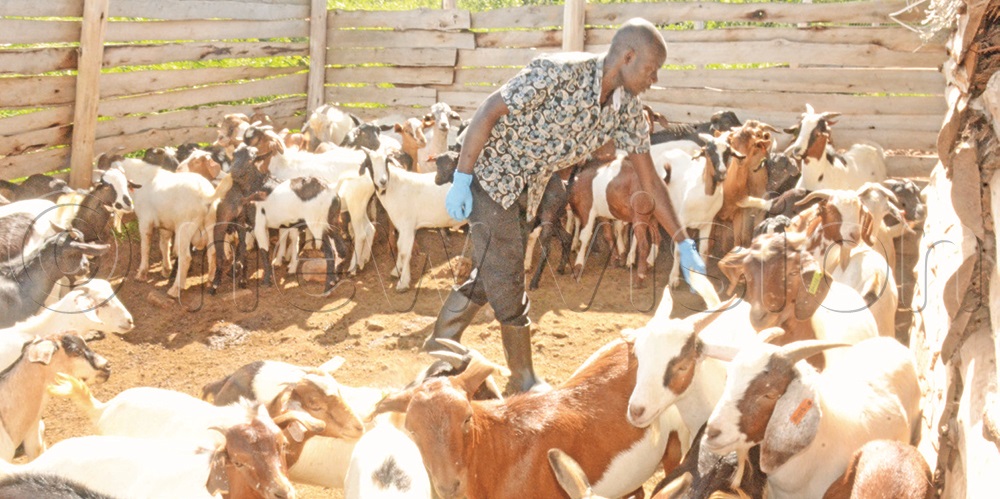
Following the confirmation, the district launched a ring vaccination campaign in Buseruka and neighbouring areas.
Ndorwa noted that since late last month, no new cases have been reported.
Earlier in April, the agriculture ministry supplied Hoima district with 3,000 doses of PPR vaccines and 10,000 doses for foot-and-mouth disease.
So far, more than 3,000 goats have been vaccinated using a combination of PPR and goat pox vaccines.
Ndorwa urged farmers not to panic, emphasising that the situation is under control. He encouraged timely vaccination and cooperation with veterinary teams. Hoima chief administrative officer Emmanuel Ssempala said the district is committed to continued surveillance, monitoring and public sensitization to manage the outbreak effectively.
Despite these efforts, residents voiced concern over unsafe practices. Francis Okello, a herdsman in Buseruka, said some people have been selling meat from infected animals for consumption.
“Some of our colleagues slaughter goats when they realize they are about to die and sell the meat to unsuspecting people,” he said.
Justus Mugisa, another resident of Buseruka, said he lost all five of his goats in just three days.
“I did not know what the disease was. We are asking the veterinary department to carry out more sensitisation because most farmers do not know the symptoms or how to prevent it,” he said.
Mugisa added that the full extent of the outbreak of the disease in the sub-county remains unclear, and the source of the infection is yet to be determined.
LEAD PHOTO CAPTION: Goats being sampled for vaccination in Buseruka sub-county recently. (Photo by Wilson Asiimwe)