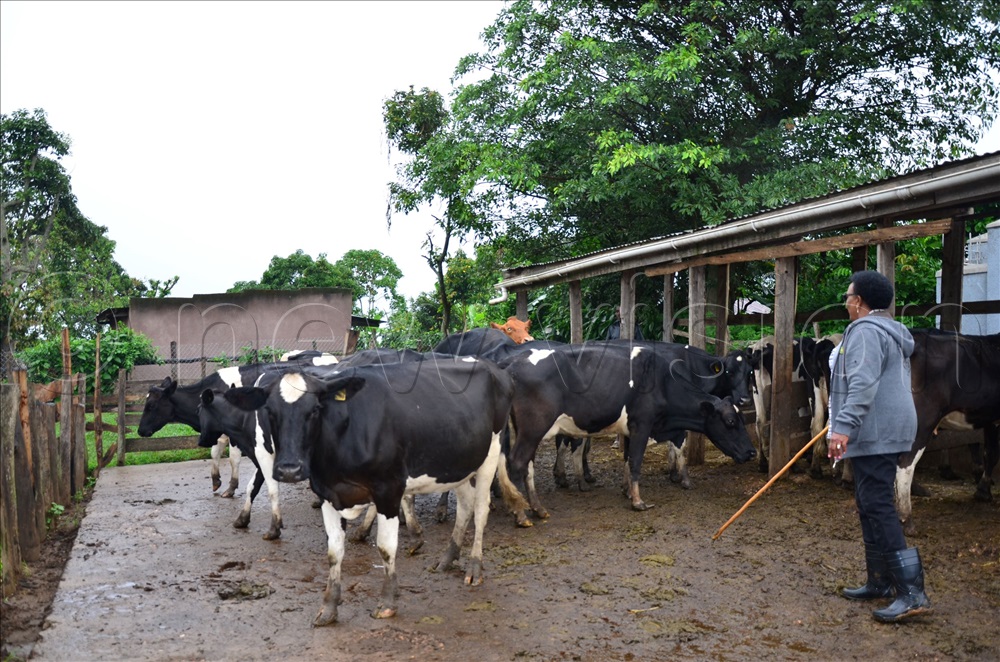
Rainy seasons are a blessing to farmers, bringing fresh pasture, water, and a breath of relief from the dry spells. However, they also come with a high risk of animal diseases that, if not properly managed, can wipe out months or even years of hard work.
Terezia Nsabimaana, an experienced farmer who rears both cows and goats, has seen firsthand how rainy seasons can quickly turn into a nightmare.
“Rain brings plenty of pasture, but young, tender grass can cause bloating in animals if eaten excessively,” she says.
She adds that farmers must also avoid mouldy feeds because the dampness encourages fungal growth, which leads to digestive and respiratory complications.
Charles Kintu, the veterinary expert, explains that more moisture means more breeding ground for bacteria and parasites.
“The rainy season favours ticks, which carry diseases like East Coast fever. If not checked early, an entire herd can be infected,” he says.
He advises farmers to regularly spray animals with acaricides and deworm them to maintain their health.
Another major concern is leaking animal shades. Wet, cold shelters stress animals and create a perfect environment for pneumonia and foot rot.
“Farmers should ensure proper roofing, drainage, and bedding in shelters. Good housing prevents water stagnation and bacterial buildup,” Kintu notes.
Richard Nyakaana, a zero-grazing dairy farmer, highlights the dangers of diseases like mastitis (udder infection) during the rains.
“Cleanliness is key. If you don’t clean and dry the udders before and after milking, bacteria thrive and enter the teat canal,” he says.
The trio agrees that investing in biosecurity, like footbaths, restricted access to barns, and timely vaccinations, is no longer optional but essential.
“Farmers should be alert. Rainy seasons may look green and promising, but they come with hidden dangers. Prevention is always cheaper than treatment,” Nsabimaana warns.