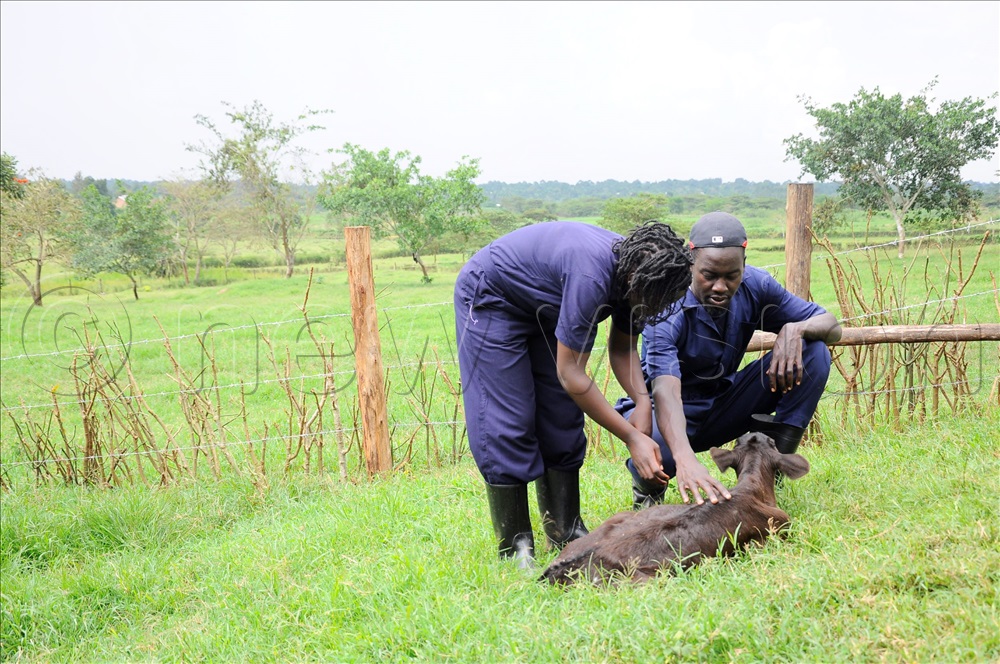
For any livestock farmer, discovering that a calf is unwell is a stressful and urgent moment. Calves are particularly vulnerable, and early detection of illness, followed by prompt treatment and careful aftercare, can mean the difference between life and death.
Knowing how to spot the warning signs and how to respond effectively is essential for every farmer.
Peter Mubiru, a veterinary doctor, explains that the first step in managing a sick calf is careful and regular observation.
“A healthy calf is usually lively, curious, and feeds well. When you notice signs such as lethargy, refusal to suckle or eat, diarrhoea, coughing, laboured breathing, or abnormal posture, you should immediately suspect sickness,” he says.
He advises farmers to also feel the calf’s body temperature, as a fever is often a clear indicator of infection or disease. Monitoring stool consistency and checking for nasal or eye discharge can also help detect problems early.
Ruta Ngambwa, a commercial dairy farmer, shares her experience: “Once, I noticed one of my calves was weak and had watery diarrhoea. I called a vet straight away, and it turned out to be an infection that needed urgent treatment.”
He stresses the importance of isolating the sick calf to prevent disease spread and providing clean, warm shelter to support recovery.
Lilian Rwomushana, also a cattle keeper, highlights the crucial role of proper care after treatment.
“After the vet treats the calf, ensure it gets plenty of clean water and nutritious milk or milk replacer. Rest is critical, so keep the calf comfortable and stress-free. Follow the vet’s medication instructions exactly, and observe the calf daily for improvement or any new symptoms”, she says.
Mubiru says veterinary care is vital, farmers’ vigilance, timely action, and good nurturing care are the foundation of healthy calves and successful livestock farming.