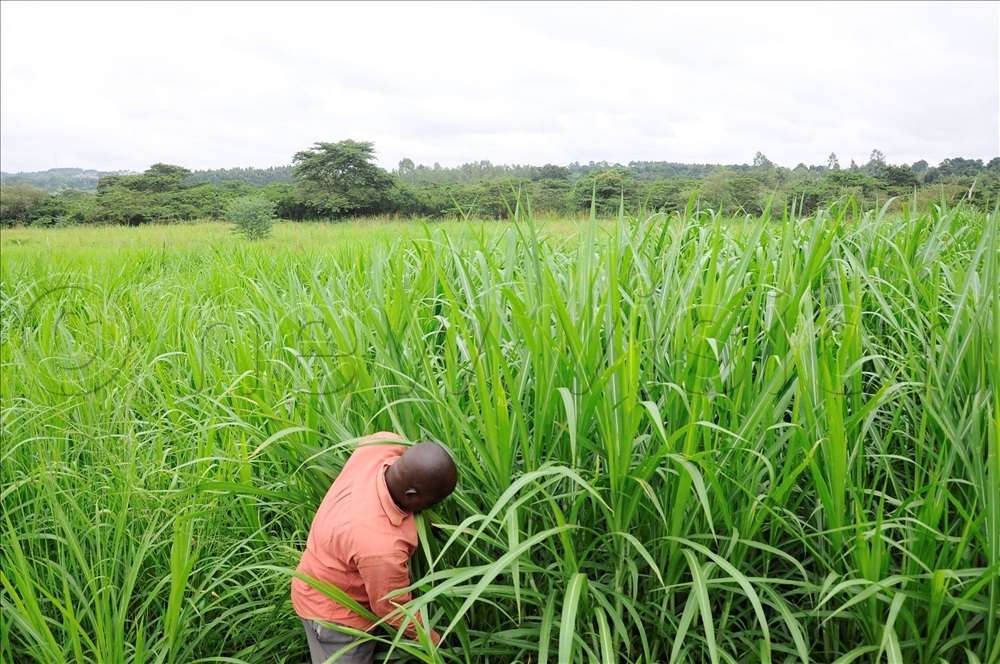
Establishing good pasture is a game-changer for livestock farmers, especially those engaged in dairy and beef production.
With increasing pressure on grazing land, planting pasture has become the most reliable way to ensure year-round animal feeding.
Dr. David Kamukama, a seasoned cattle farmer from Nabiswera village in Nakasongola district, says pasture planting has significantly improved his cattle productivity.
“It reduces feeding costs, improves milk yield, and ensures consistent nutrition even during dry seasons,” he explains.
Samuel Nyabongo, a commercial dairy farmer from Kanyate village in Kabarole district, agrees.
He notes that selecting the right pasture species is the first critical step.
“Not every pasture is suitable for every region. Some grasses do well in dry areas while others thrive in moist zones,” he says.
Commonly planted pasture grasses include Brachiaria, Chloris gayana (Rhodes grass), and Napier grass. These are known for their high nutritional value, rapid growth, and ability to regrow after grazing or cutting.
Before planting, farmers must test and improve soil fertility.
Poor soils will not support healthy pasture.
Adding lime to correct soil pH and using organic manure or recommended fertilisers is crucial.
Seed quality also matters. Dr Kamukama advises farmers to buy certified seeds to avoid poor germination and low yields.
“Once planted, managing the pasture is key. This includes proper spacing, regular weeding, controlled grazing, and timely harvesting.”
Nyabongo practices rotational grazing and says it helps keep the pasture healthy and gives grasses time to regenerate.
In Uganda’s changing climate, planting and managing pasture is no longer optional; it’s essential for any serious livestock farmer. With proper knowledge and commitment, pasture can feed animals sustainably and boost farm profitability.